37.6°
Museums Unit at Umm Al-Qura University
Makkah
A Heritage Panorama Documenting the History of Makkah Al-Mukarramah
Makkah
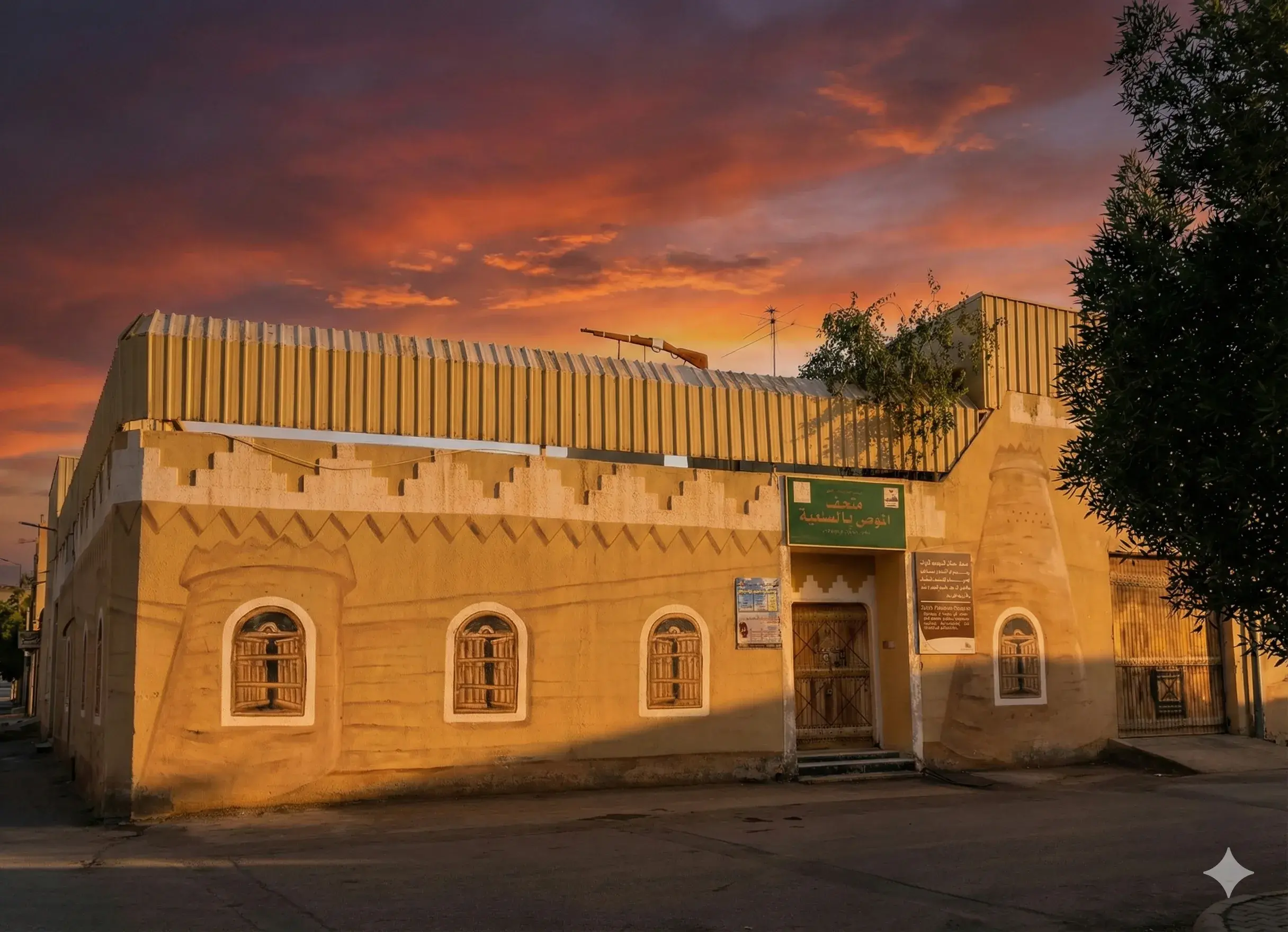
The Museums Unit at Umm Al-Qura University is located at the university campus in the Al-Aziziyah District of Makkah Al-Mukarramah.
It originated as a museum under the Department of Islamic Civilization and Systems (formerly) at the College of Sharia and Islamic Studies.
As the need arose to consolidate museum efforts under a unified umbrella, this museum became part of the new unit which undertook the mission of its development.
Thus, the unit now encompasses several independent museums: the University Museum, the Rare Photos Hall, the Makkah House, the Folk Souq, the Makkah Café, and the Clothing and Weapons Hall.
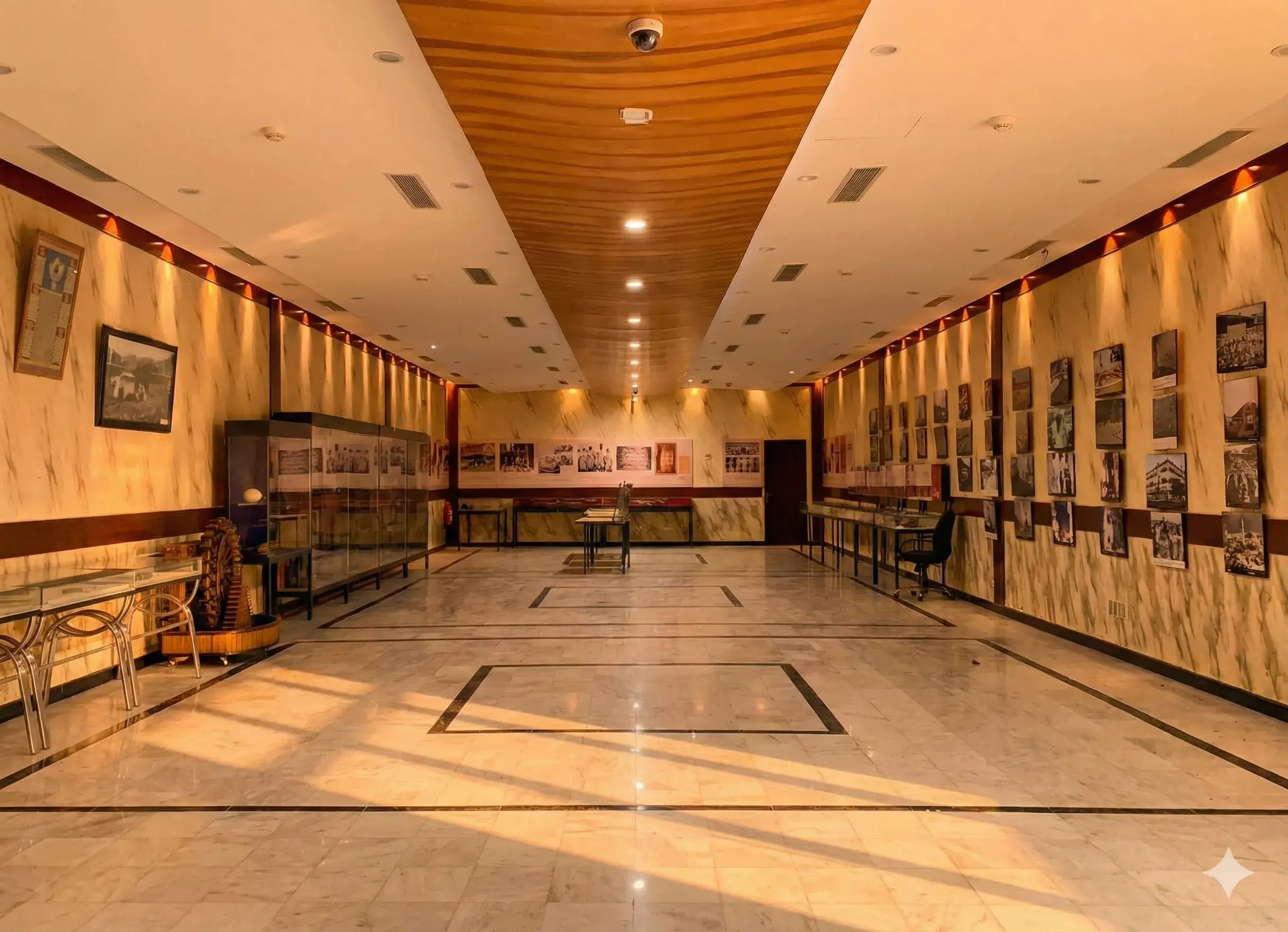
The components have been carefully distributed to provide a rich and varied experience for the visitor, as the museum is divided into two expansive halls.
The first hall is dedicated to the local environment, containing various rocks, stones, soil, taxidermied animals, and wildlife and marine animal models in environments similar to their natural settings.
The other hall serves as a visual chronicle of Islamic history, displaying artifacts such as diverse written inscriptions.
Such as tombstones and foundational texts, dating the restoration and repair works of the Ain Zubaida canal during both Mamluk and Ottoman eras.
Alongside a rare collection of Islamic coinage, including gold dinars, silver dirhams, and copper coins.
To enrich the museum display with visual and artistic aesthetics, this hall also features writing tools, manuscripts, paintings, and models of Islamic artifacts.
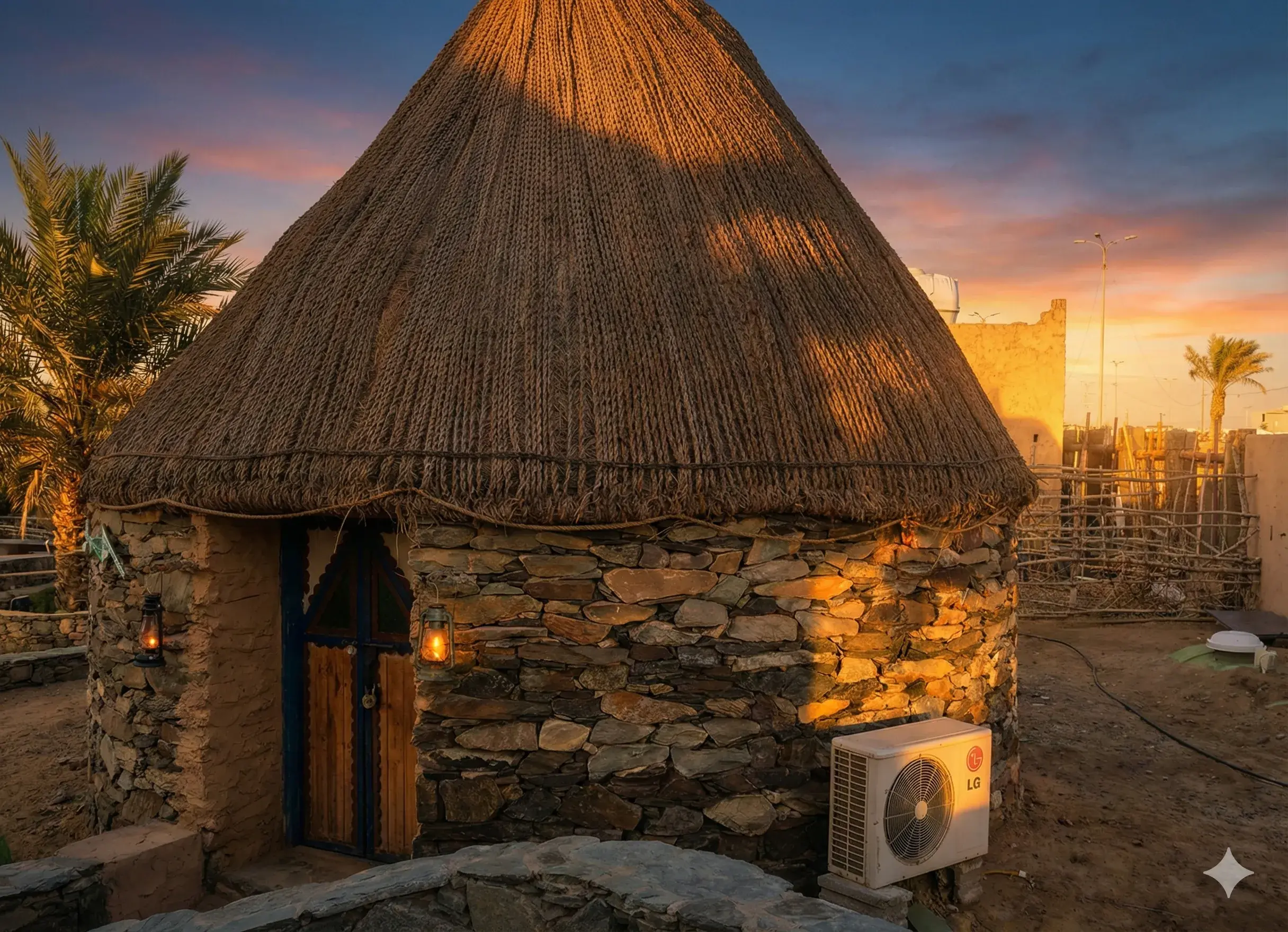
At the center of the hall stands a tent embodying Bedouin heritage.
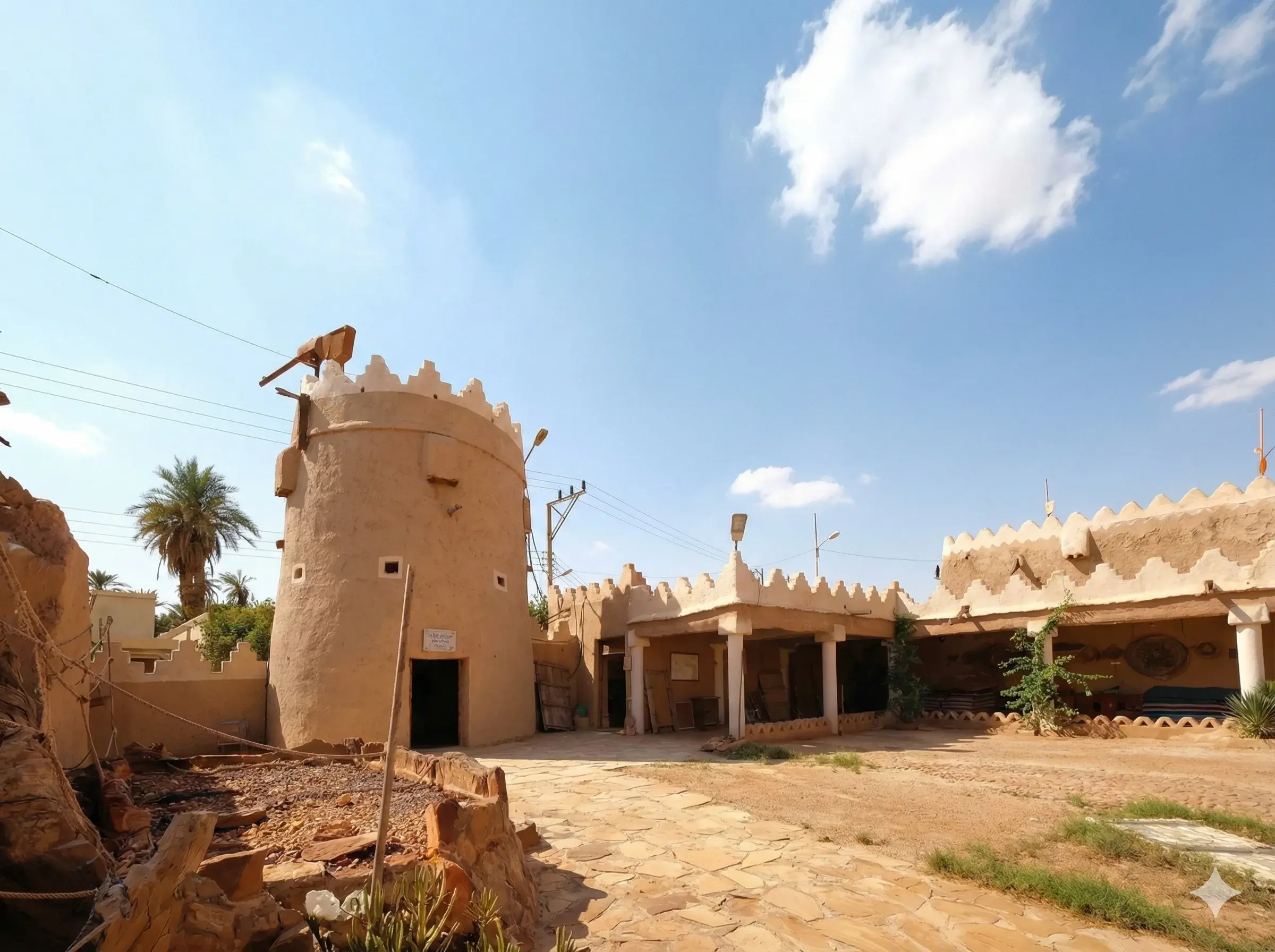
Notable in this museum is the diversity of its architectural and functional display styles. The "Makkah House" was built using ancient stones brought from certain buildings in Makkah.
Its entrance features an archaeological door dating back to the 13th century AH. Internally, the house includes the living area, the Maq’ad (sitting area), the bedroom, the kitchen, the vestibule, and the bathroom.
Evoking the vibrancy of Makkah’s historic neighborhoods, the Folk Souq was built in the style of old Makkah markets; it is roofed, rectangular in shape, with shops located on both sides.
In a space that recalls social scenes from the Hijaz, the Folk Café revives Hijazi social scenes through its form and furnishings.
As for the Clothing and Weapons Hall, it contains a large number of ancient attire and weaponry, such as swords, rifles, daggers, shields, armor, and spears.
It makes the unit a miniature museum of ancient defensive and warfare traditions in the Hijaz.