19.7°
Taif Regional Museum
Makkah
A Window onto History and Heritage at Shubra Palace
Makkah
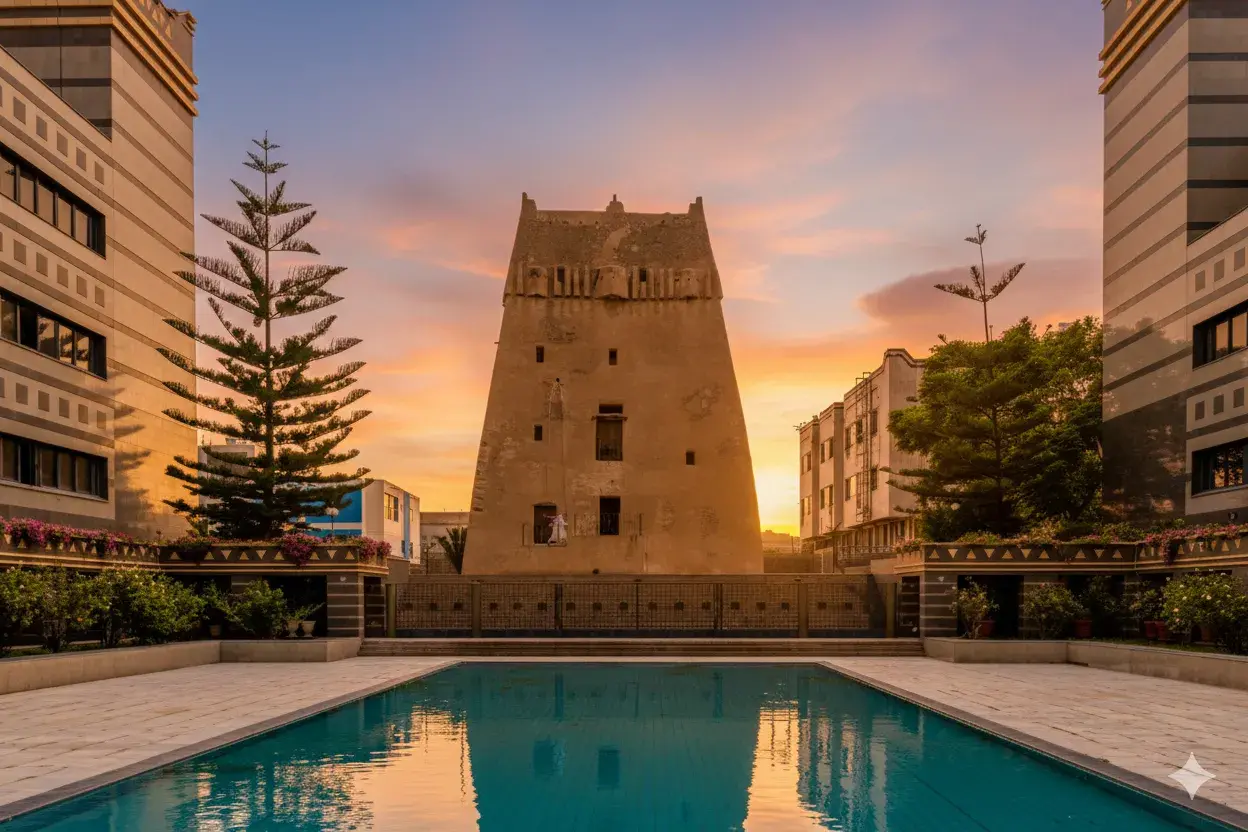
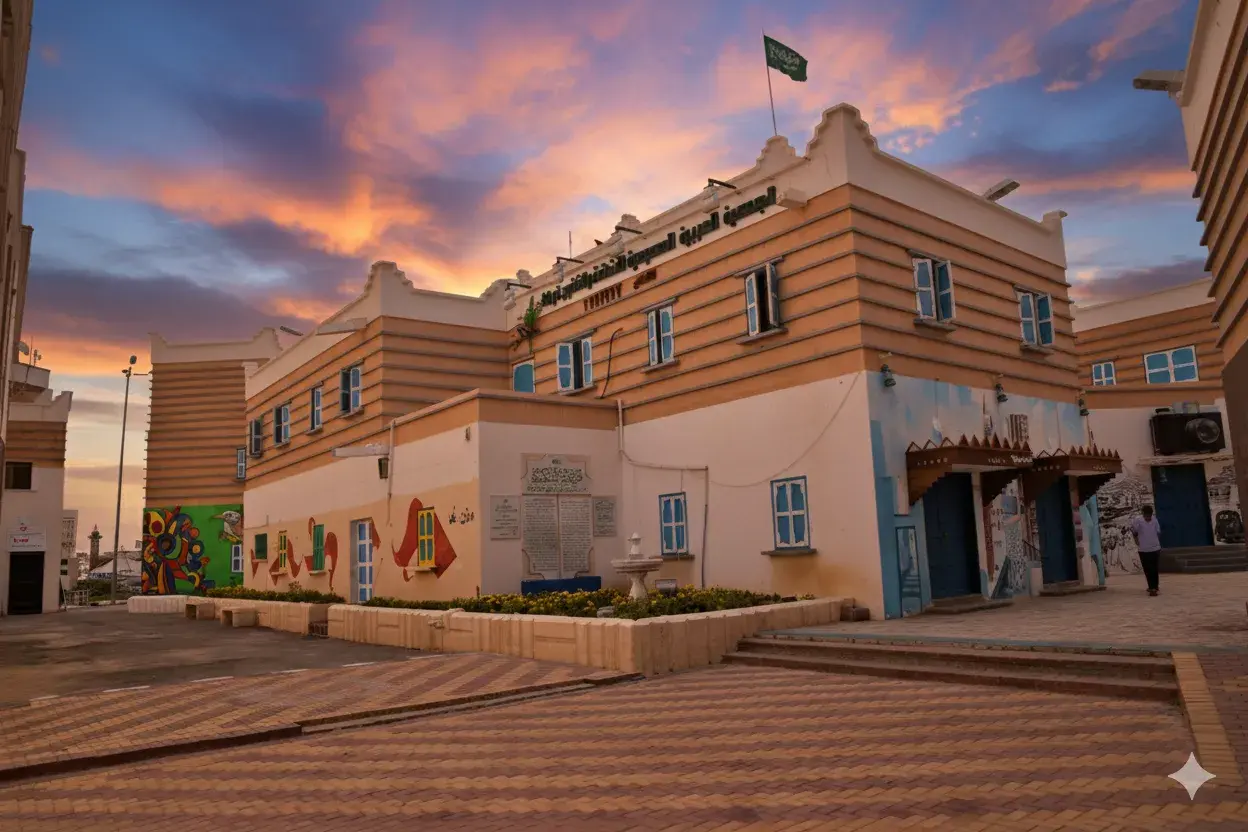
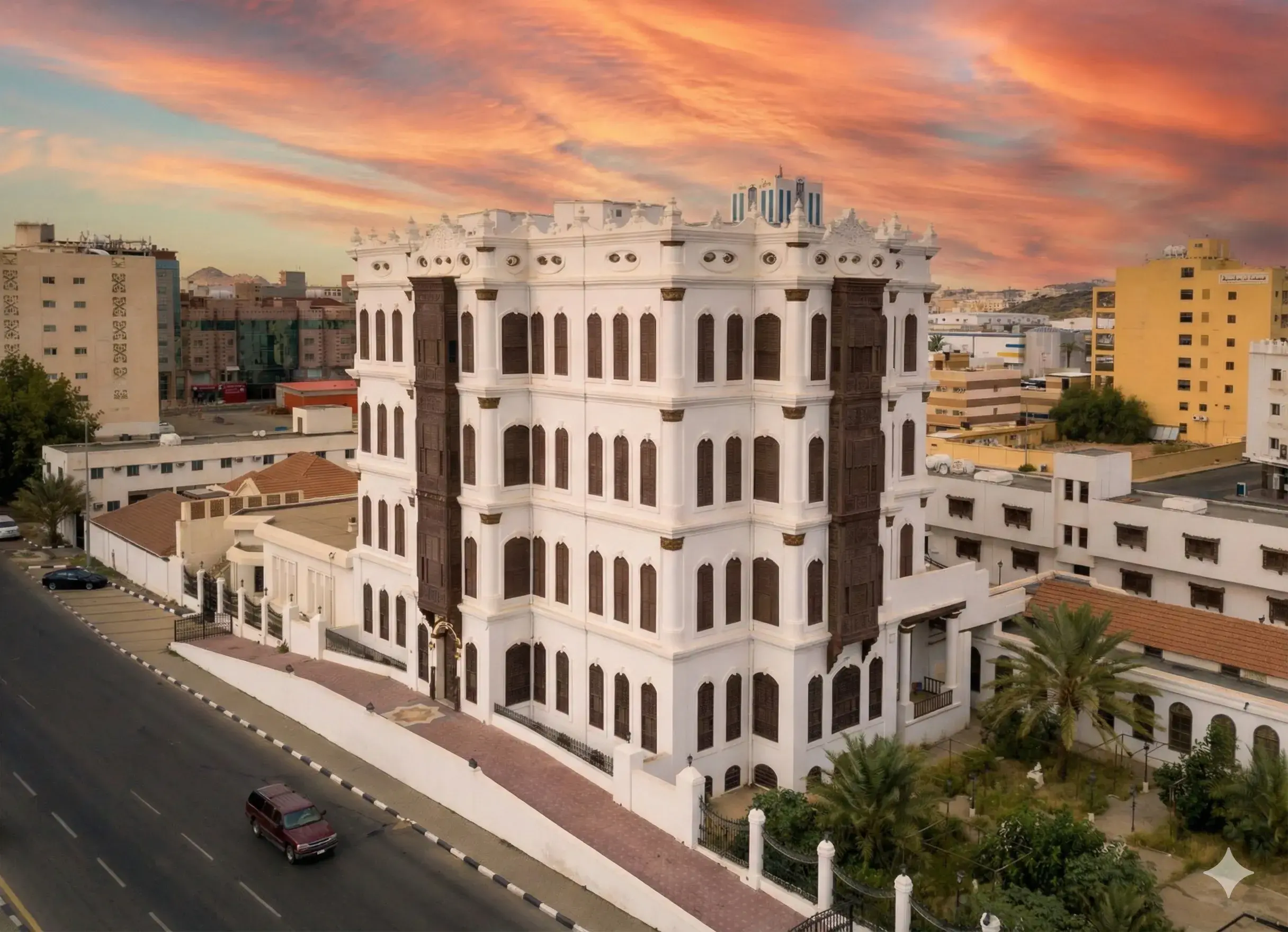
Taif Regional Museum for Archaeology and Popular Heritage was established in the historic Shubra Palace in Taif’s Shubra District, a jewel among Kingdom’s premier architectural and historical landmarks. Through the Heritage Foundation, the Department of Antiquities restored and equipped the Museum.
Constructed between the years 1324 and 1325 AH / 1906 and 1907 CE, it gained wide fame from its archaeological value, its unique architectural style, and the famous residents, most notably the Ottoman Sultan Mehmed VI Vahid ad-Din ibn Abdulmajid, in 1341 AH / 1923 CE. King Abdulaziz chose it as his residence, and it later became the headquarters for the Council of Ministers during King Faisal's reign, then the official residence for Prince Sultan bin Abdulaziz, until a decree from the late King Fahd bin Abdulaziz, transferred it to the Department of Antiquities and Museums to become a museum narrating the story of archaeology and rich popular heritage in Taif Governorate.
The museum's exhibits are distributed across three main sections:
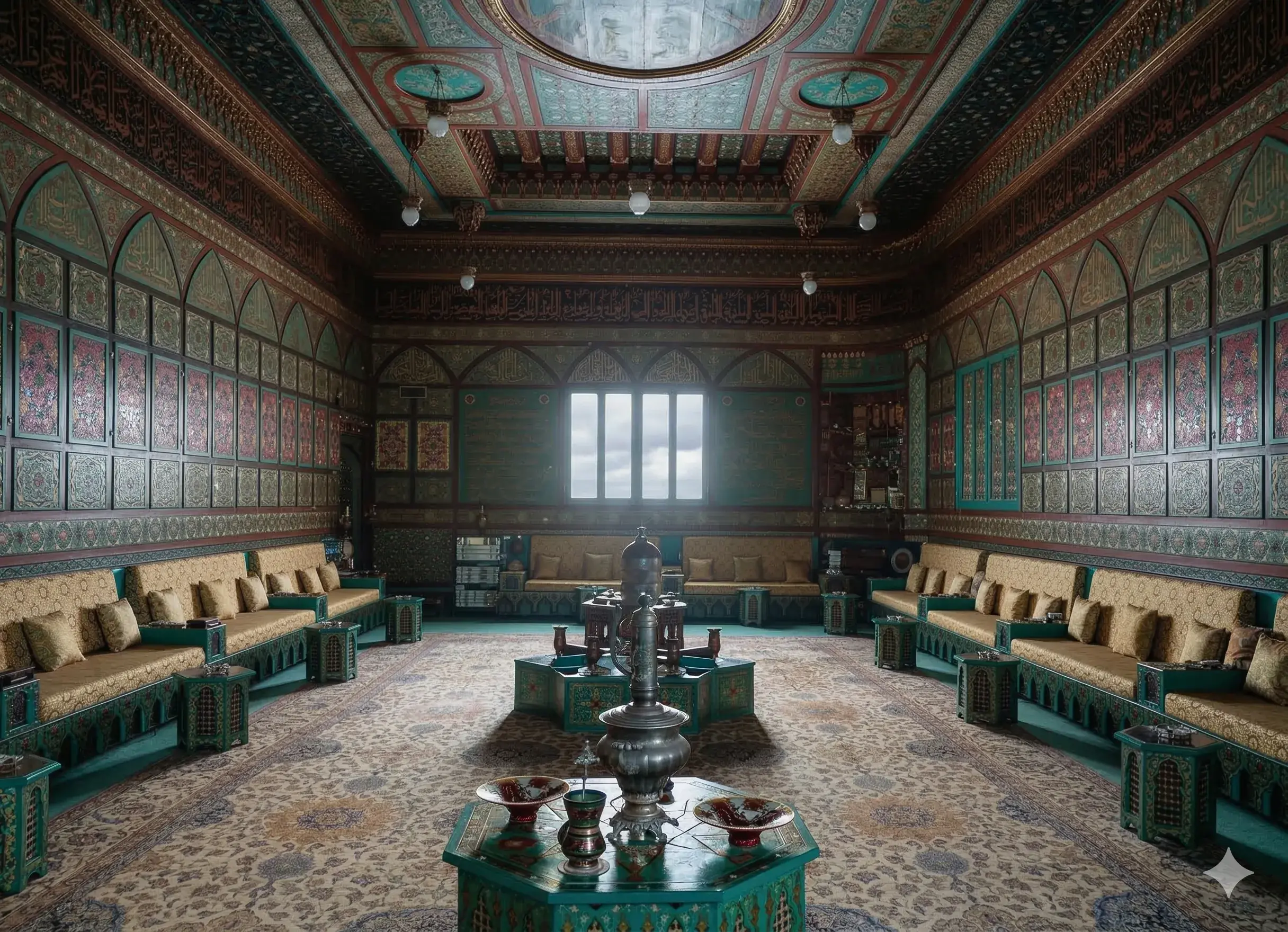
1- The Palace: On the ground floor, a detailed model of the palace with its annexes takes center stage, accompanied by King Faisal bin Abdulaziz’s office and that of the era’s Chief of the Royal Court. The first-floor displays the office of Prince Sultan bin Abdulaziz, enriched with vintage photographs of Makkah, Taif, Jeddah, and Madinah.
2- The Palace Annexes: Positioned north of the Palace, these comprise three halls:
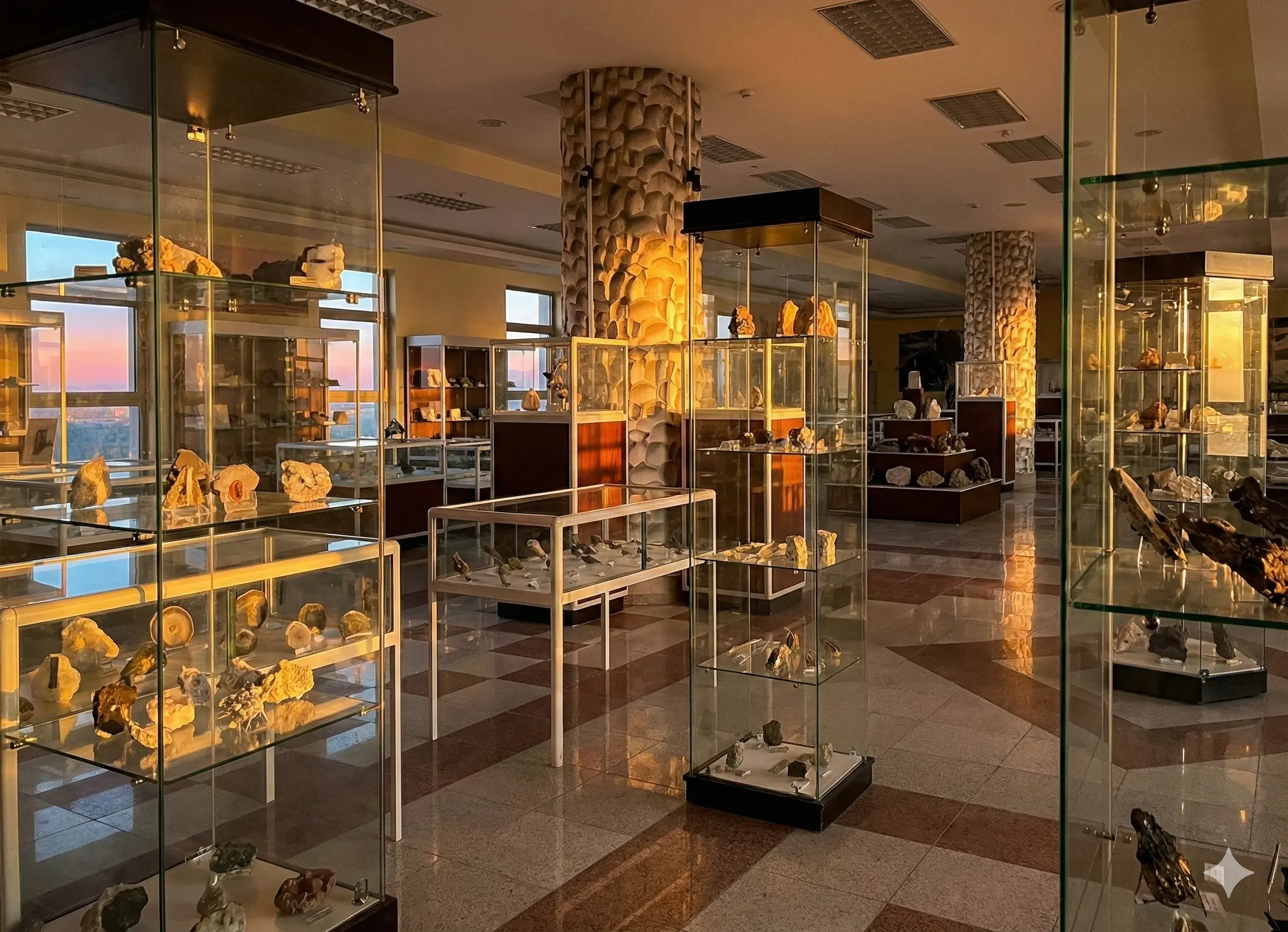
- The Pre-Islamic Era Hall displays stone tools, a model of a Sabaean inscription, Thamudic inscriptions, pottery, and a lion's head, reflecting the ancient history that echoed the civilizations of the Arabian Peninsula.
- The Islamic Hall contains maps and explanatory materials about the Prophet (Peace Be Upon Him)، the Hijra (Prophetic Migration)، the Rightly Guided Caliphs, and the Islamic conquests. It, furthermore, traces the development of writing through six Islamic tombstones, coins, manuscripts on gazelle skin, a noble Qur'an, and photos and finds from Umayyad dams and Darb Zubaidah, capturing the pinnacle of Islamic scholarly tradition.
- And the Unification of the Kingdom of Saudi Arabia Hall, where photographs, maps, and visual aids depict the three stages of the Saudi State, weaving a magnificent narrative of the chapters of national unity.
3- The Horse Stable: This rectangular building with a central courtyard with rooms situated on its two sides has been utilized to display various forms of handicrafts and manual industries, reflecting the lively and renewed heritage within the museum's corridors.