23°
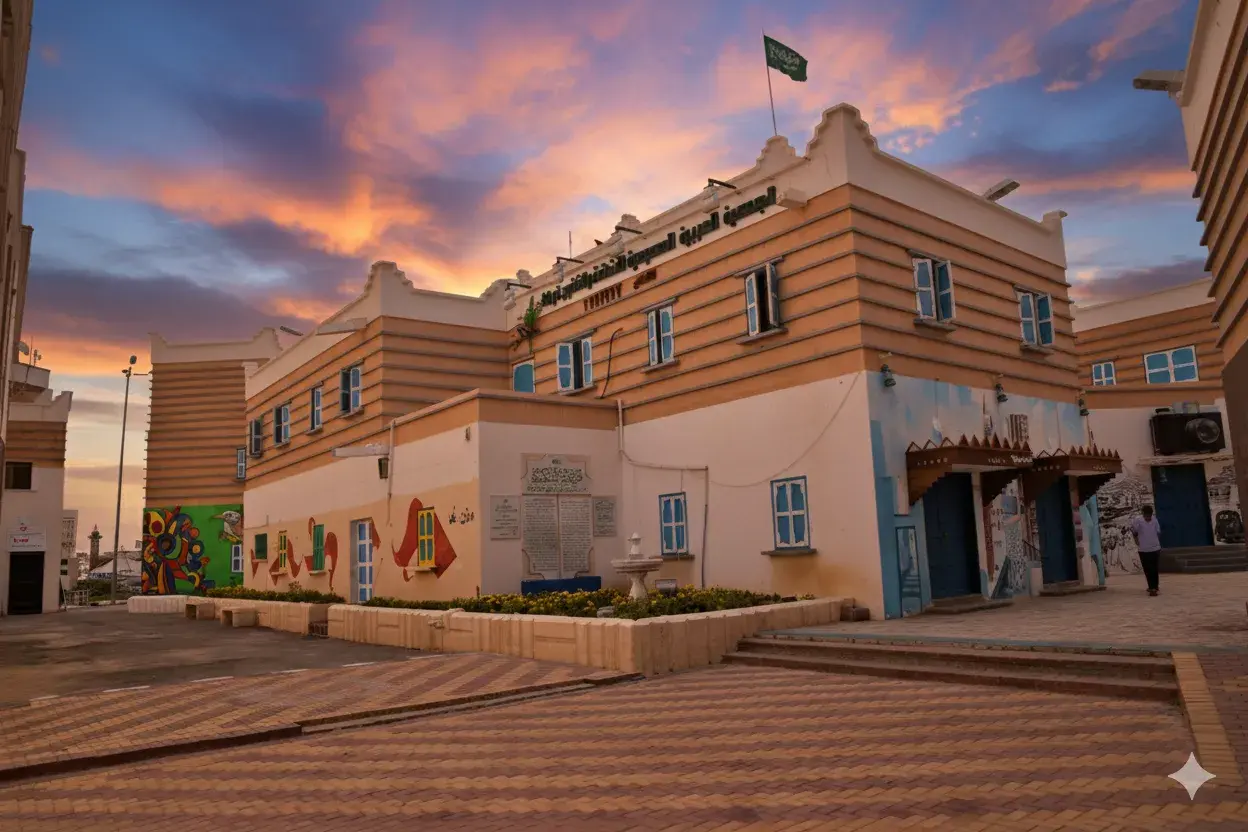
Al-Muftaha Palace Archaeological Museum
Asir
Tales of the Beautiful Past from the Heart of Abha City
Asir
Al-Muftaha Village, located in the center of Abha City, was inaugurated in 1410 AH / 1990 CE as a cultural center to present the heritage of the Asir region.
Since inception, this village has served as a living window overlooking the region's ancient past, harboring abundant testimonies to local heritage's authenticity.
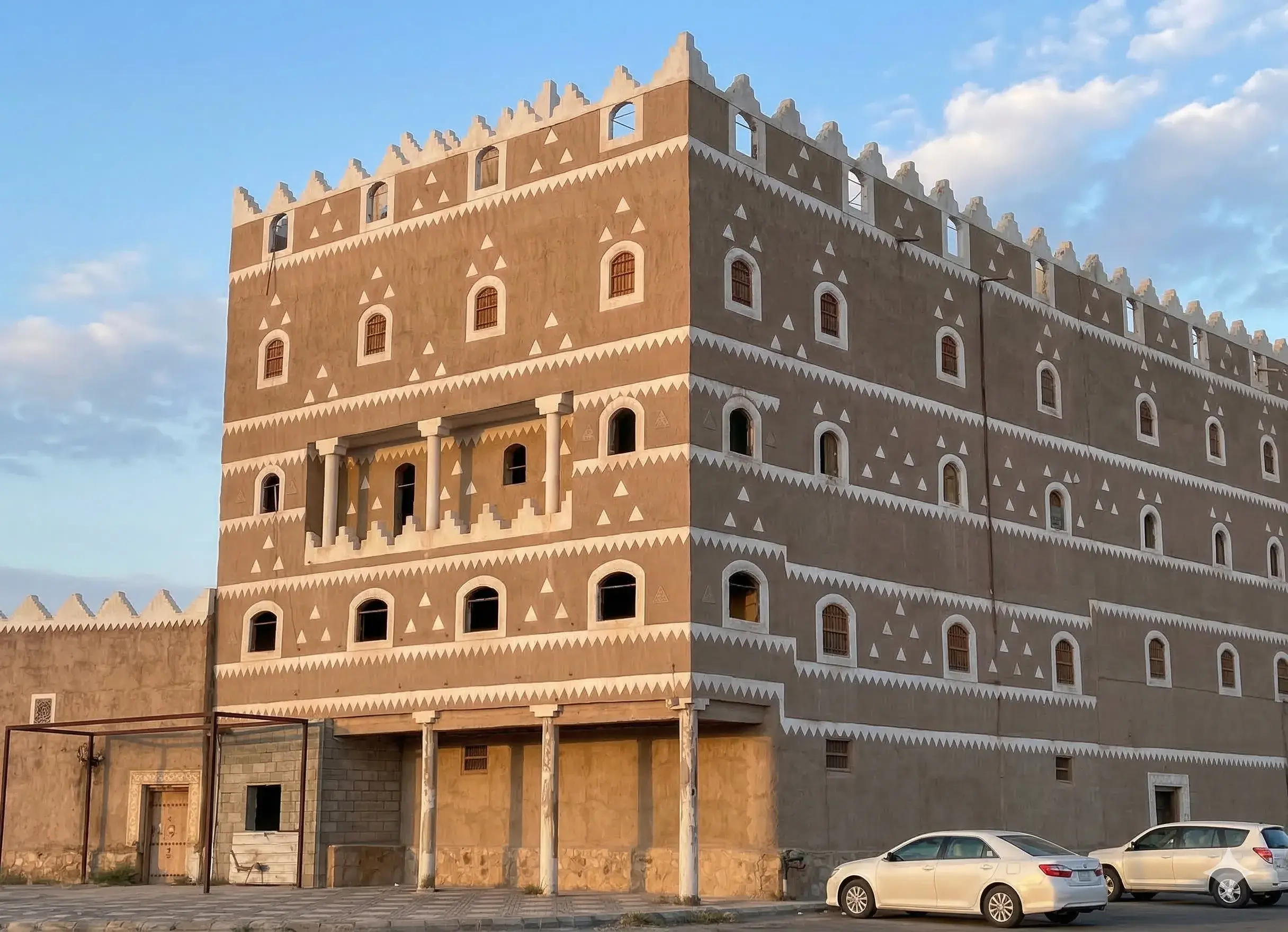
Prominent in this village is Al-Muftaha Palace Archaeological Museum, spanning two floors with halls whose interior walls bear traditional patterns and colors, a visual symphony echoing Asiri art's spirit and identity.
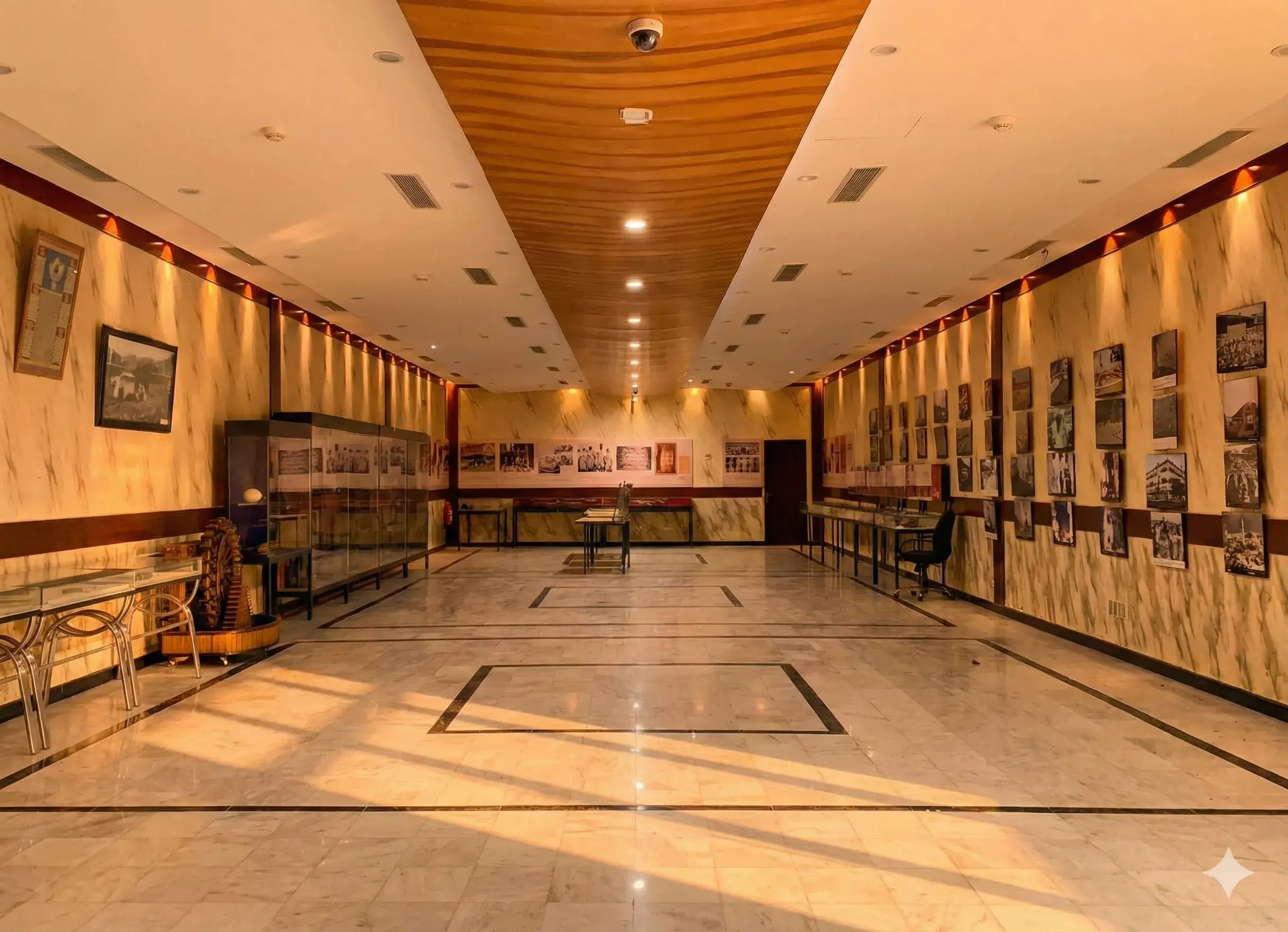
The hall floors, covered with traditional wool carpets, give the visitor a sense of the place's original ambiance. These halls have been dedicated to displaying the region's traditional heritage unfolding the social and cultural details that forged its character.
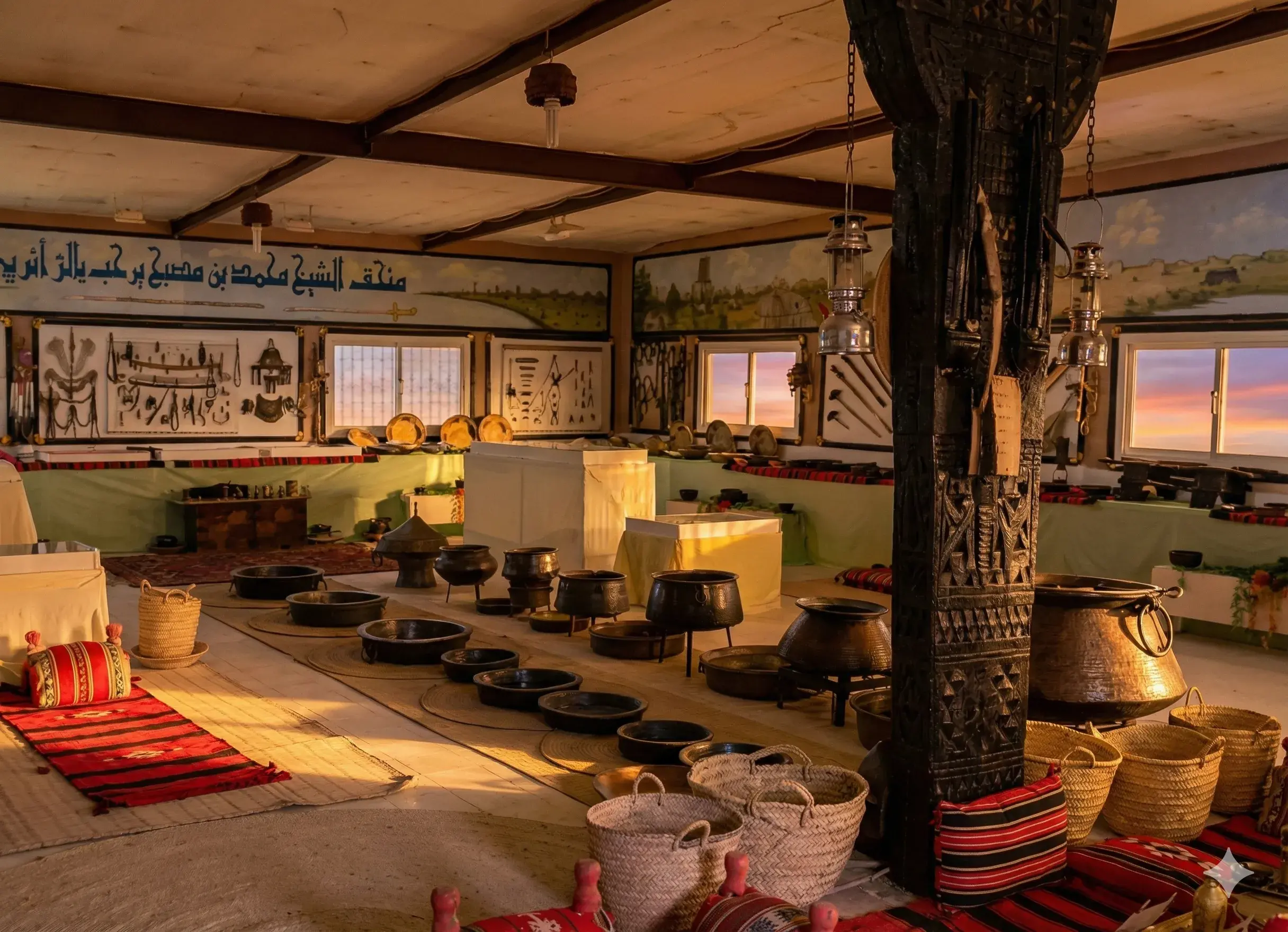
Among the striking features in the museum is the corner dedicated to displaying local craft tools, such as carpentry, blacksmithing, and others. These tools embody the ancestors' skills in handling wood and metals with mastery and refined artistry.
In one corner of the museum is displayed a collection of ancient weapons, such as rifles, daggers, and swords. They are showcased in a way articulating the era's defense and protection traditions.
In another corner, a collection of living essentials, including various types of lighting tools and lanterns, as well as cooking and serving utensils, is presented. They illustrate how communities met daily needs with environmental resources.
For vintage-device enthusiasts, the museum includes a corner dedicated to heritage radios, which were the families' portal to the wider world.
The museum also contains a corner featuring various wool and wood supplies that were used for outfitting camels, evoking scenes of traditional journeys and travels across the region.
Boxes for storing items, household tools, and women's clothing highlight the details of daily life and the methods of organizing household collectibles in the past.
The visitor concludes the tour at the corner of Arabic coffee pots and their accompanying coffee preparation tools and utensils—a tableau encapsulating Saudi hospitality's essence and rural lounges' generosity.