19.1°
Shada Palace Heritage Museum
Asir
Documenting Traditional Life in Abha
Asir
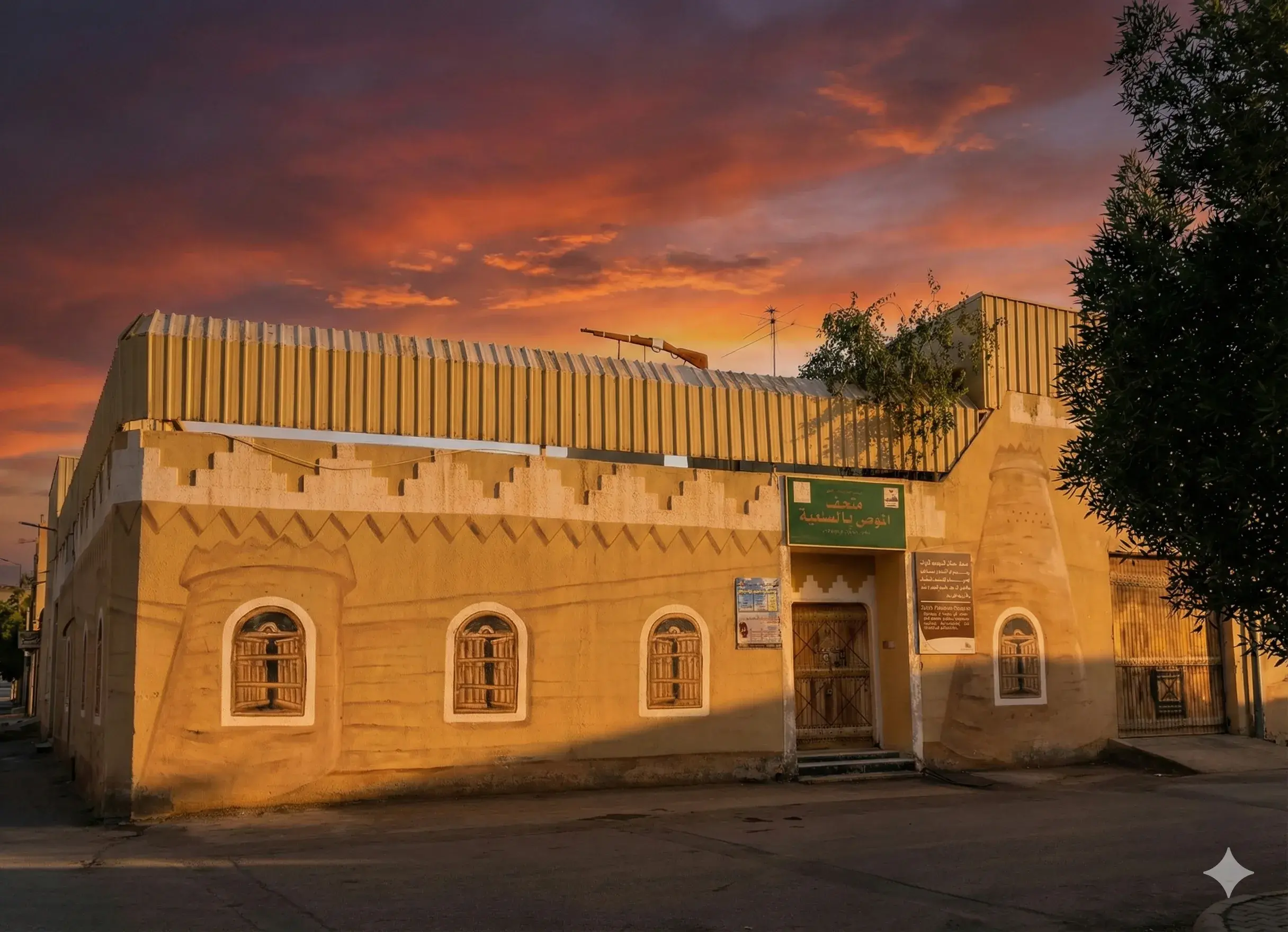
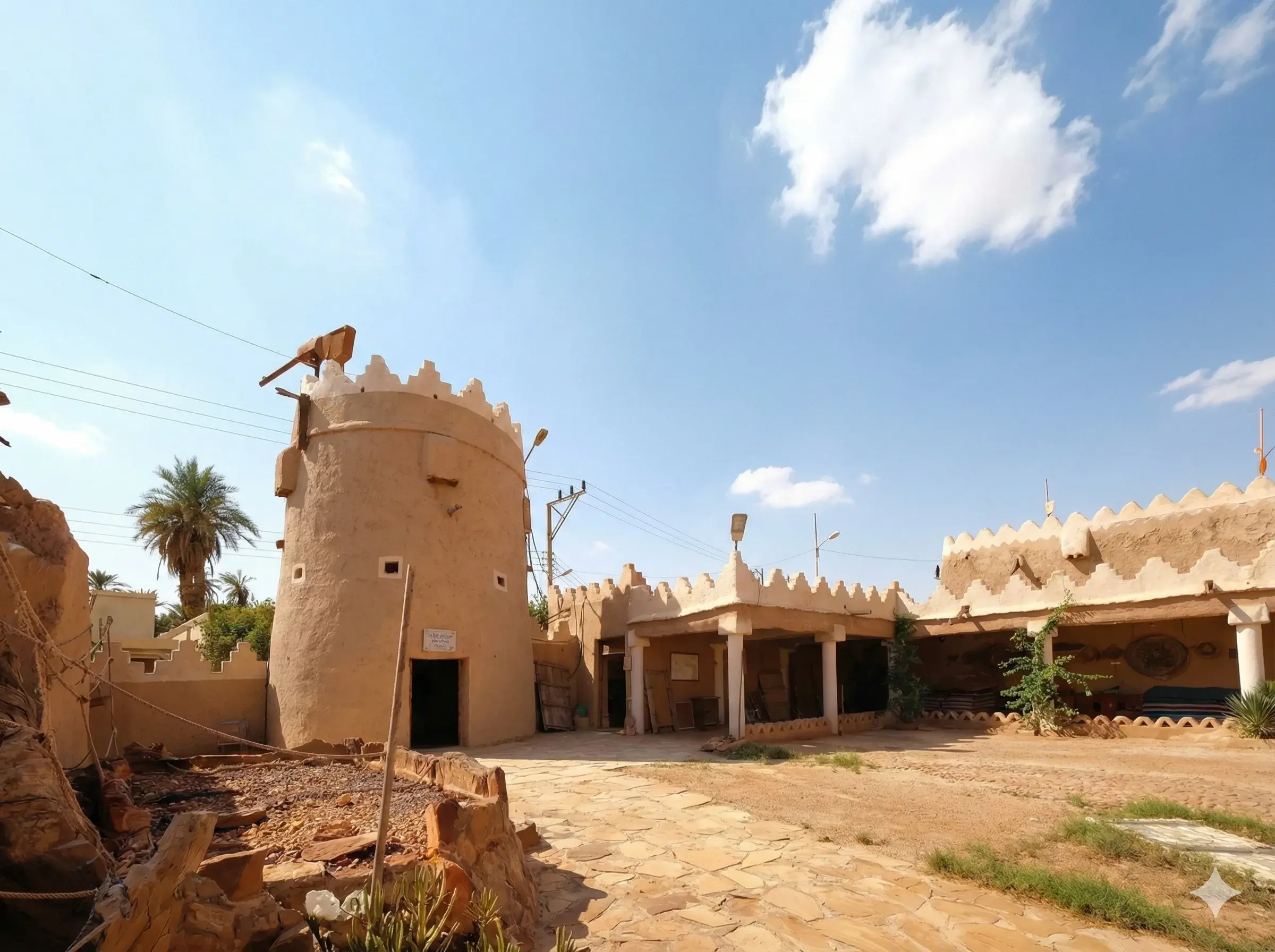
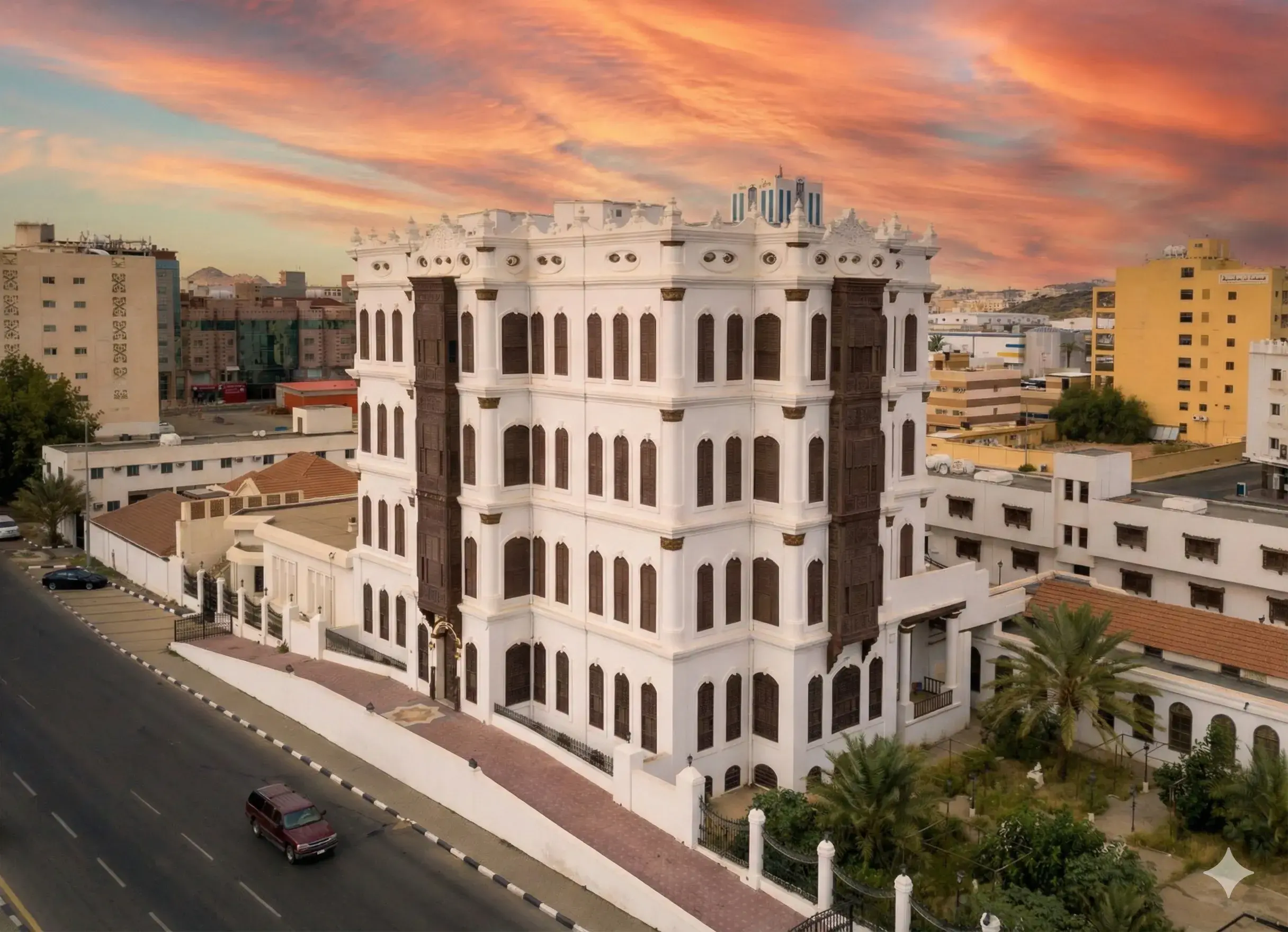
Located at the edge of Al-Bahhar Plaza in Abha City, Shada Palace Heritage Museum represents one of the prominent architectural models linked to the ancient history of Abha.
This palace comprises four floors. It was designed by Sheikh Abdulwahab bin Mohammed Al Malha, Abha's Minister of Finance at that time, to be his domicile. The palace's construction reportedly dates back to 1347 AH / 1927 CE.
The overall layout of the palace's chambers and living quarters was taken into account while distributing the museum pieces across its facilities. The museum's halls contain various models of heritage pieces utilized by people in this region.
These include glazed and unglazed pottery, as well as agricultural implements that reflect aspects of traditional farming patterns. Examples encompass a wooden plow, water-fetching tools, and assorted farming implements.
This is in addition to a collection of traditional hospitality elements and instruments for preparing Arabic coffee, including utensils and coffee pots. It also features palm wicker crafts that showcase the craftsmanship of the local artisans.
There is also a collection of metal crafts, grain storage containers, wooden weighing tools, and traditional storage means crafted from leather.
The museum's holdings are distributed across the palace's four floors. The first floor is dedicated to displaying agricultural tools and transportation means, and travel equipment to highlight activities associated with economic life and mobility.
The second floor serves as a representation of the Asiri Majlis (sitting room). It also contains manuscripts, books, and references related to the region's history and geography, offering visitors a chance to learn about the scientific and cultural aspects of its historical development.
The third floor features models of traditional essentials for both men and women. The first room of this floor is dedicated to displaying man's belongings, such as weapons and apparel, along with old medical tools and artifacts acquired by the museum subsequent to its inauguration.
The second room is designated to display women's tools, such as jewelry, adornments, and clothing, along with some essentials for necessities. Thus, the museum provides a thorough picture of family life details in the traditional local setting.