Saleh bin Ibrahim Al-Mousa Museum
Riyadh
The Masterpieces of Heritage in Al-Kharj Governorate
Riyadh
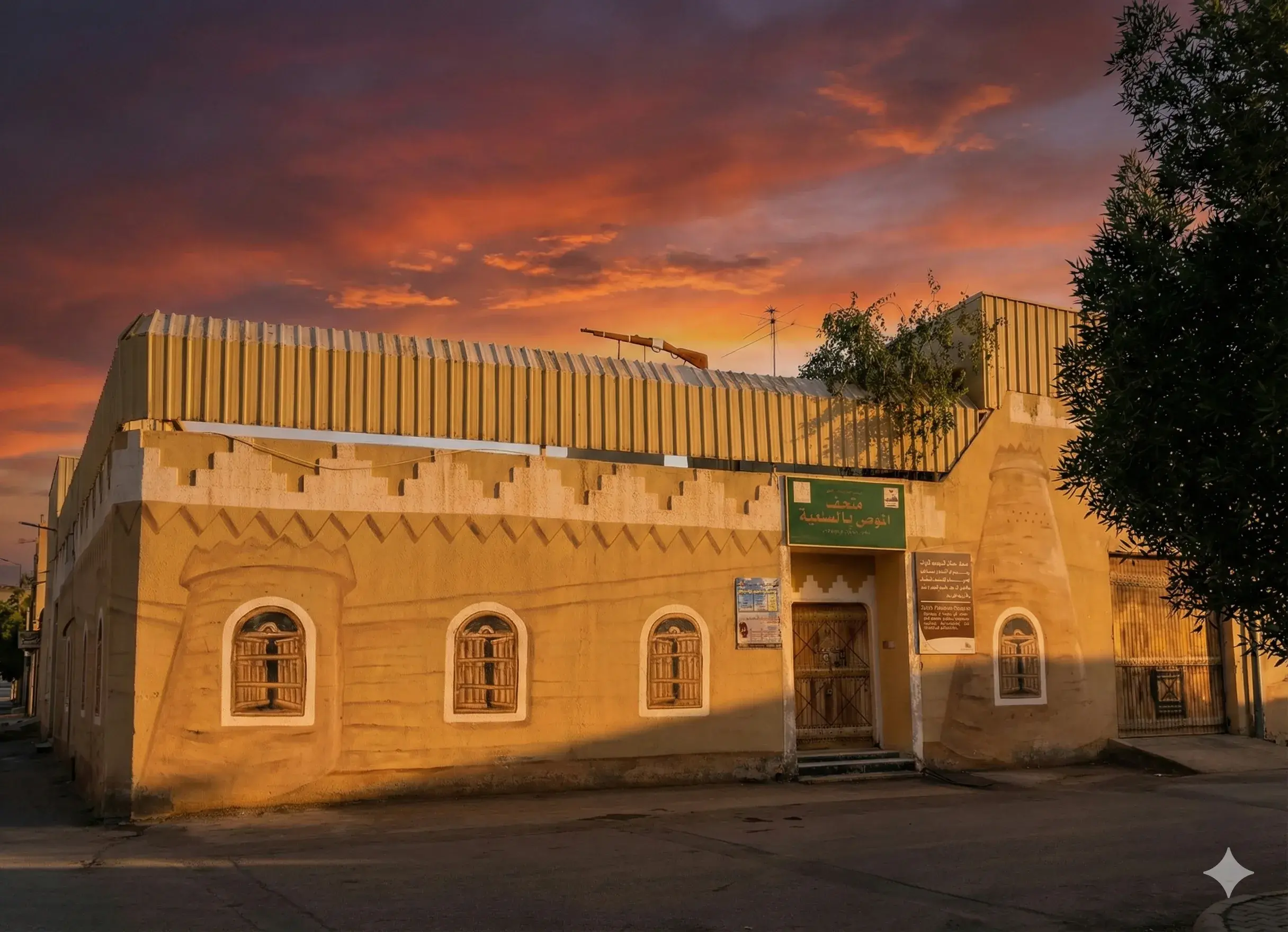
In Al-Sulaymiyah city in Al-Kharj Governorate, Saleh bin Ibrahim Al-Mousa Museum stands as a living record of the place's memory. Curated by its founder, it presents diverse heritage collectibles that preserves the features of ancient life and reflects the mastery of traditional craftsmanship.
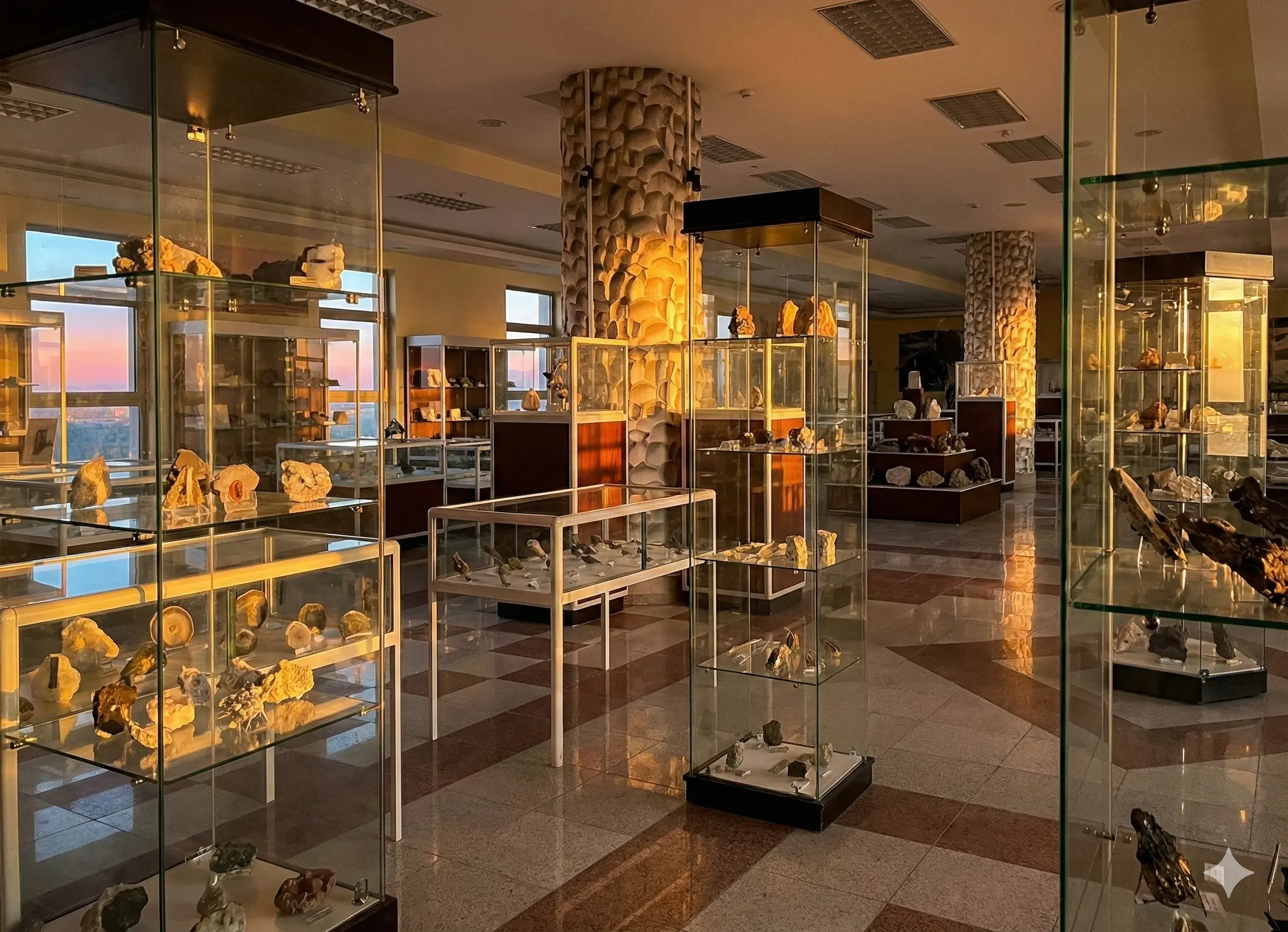
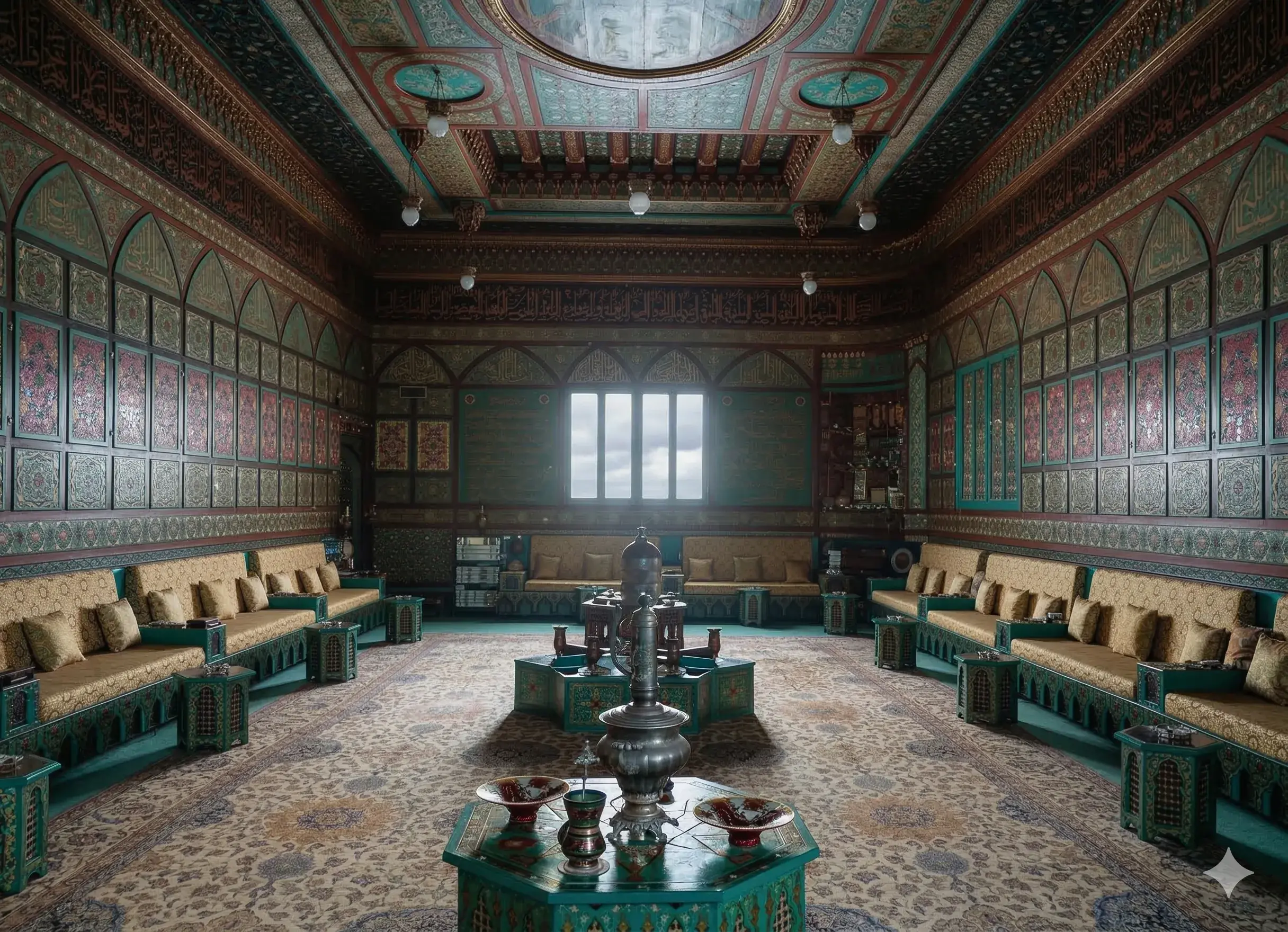
As visitors navigate the museum's corridors, they encounter the diversity of the exhibits classified according to their manufacturing materials. Visitors seamlessly move between metal, wood, palm-leaf woven, leather, stone, and glass pieces. This thoughtful arrangement unveils a richly layered, but detailed past.
The visitor's tour begins amid the wooden collectibles that exemplify traditional carpentry skills, including weighing tools, wooden stakes (pegs), door fittings, scoops (shovels), wooden chests for brides, sieves, shelves, wooden combs and nails, wooden cups, cardamom pestles and mortars, incense burners (Majamir), files, plows, and antique windows.
The visitor then moves from the wood to the metal exhibits, which reflect the versatile roles in everyday life: lanterns, ladles (scoops), metal scale, stakes, the old electricity meter, carpentry tools, copper pots, the grinding machine, ironing tools, small trays with two handles, metal coffee roasters (Mahamis), food containers, incense burners (Majamir), metal bags, traditional coffee pots (Dallah) and teapots made of copper or steel, ancient oil lamps (Siraj), kohl containers, heritage plates, tongs, stoves (stoves), manual air blowing machines, alongside an old television, watches, telephones, and a large prayer beads.
In the palm-leaf woven artifacts (Khous) section, the traditional skill of palm frond industries is present, featuring dining mats (Sufra), sieves, date containers, dishes, prayer rugs, ropes made from palm fiber, and the hand fan (Al-Mahaffah) woven from matting.
Glass items evoke intimate glimpses of daily living tools, such as glass and porcelain bowls, and antique mirrors framed in wood.
Culminating the tour, the stone and leather artifacts section features the grinding mill (Rahah), crushers, a large rosary, large water jars (Azyar), leather bellows (air blowers), and waterskins (Qirab) once vital for storing water.
With this diversity, Saleh bin Ibrahim Al-Mousa Museum constitutes a living documentary reference for ancient life, and a destination for those passionate about the Kingdom's history and tangible heritage.