25.7°
Al-Aflaj Aqueducts
Riyadh
An Ancient Water Network Narrating the History of Kindah Kingdom
Riyadh
Al-Aflaj Aqueducts are located approximately 18 km southwest of Layla City, the capital of Al-Aflaj Governorate. They are a group of water springs that were overflowing until recently. The most famous of which is Ain Al-Ra’s (The Head Spring). The reason of them being dried up is due to excessive groundwater extraction.
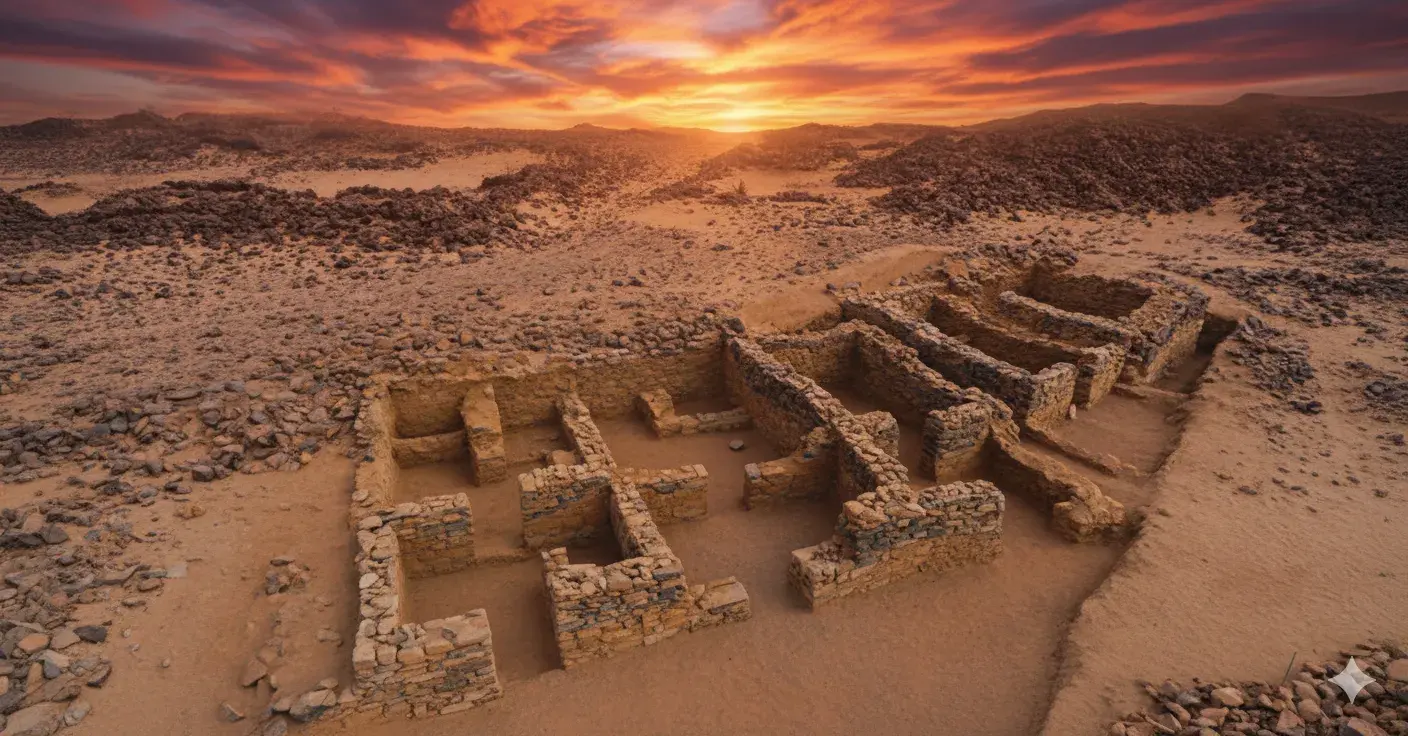
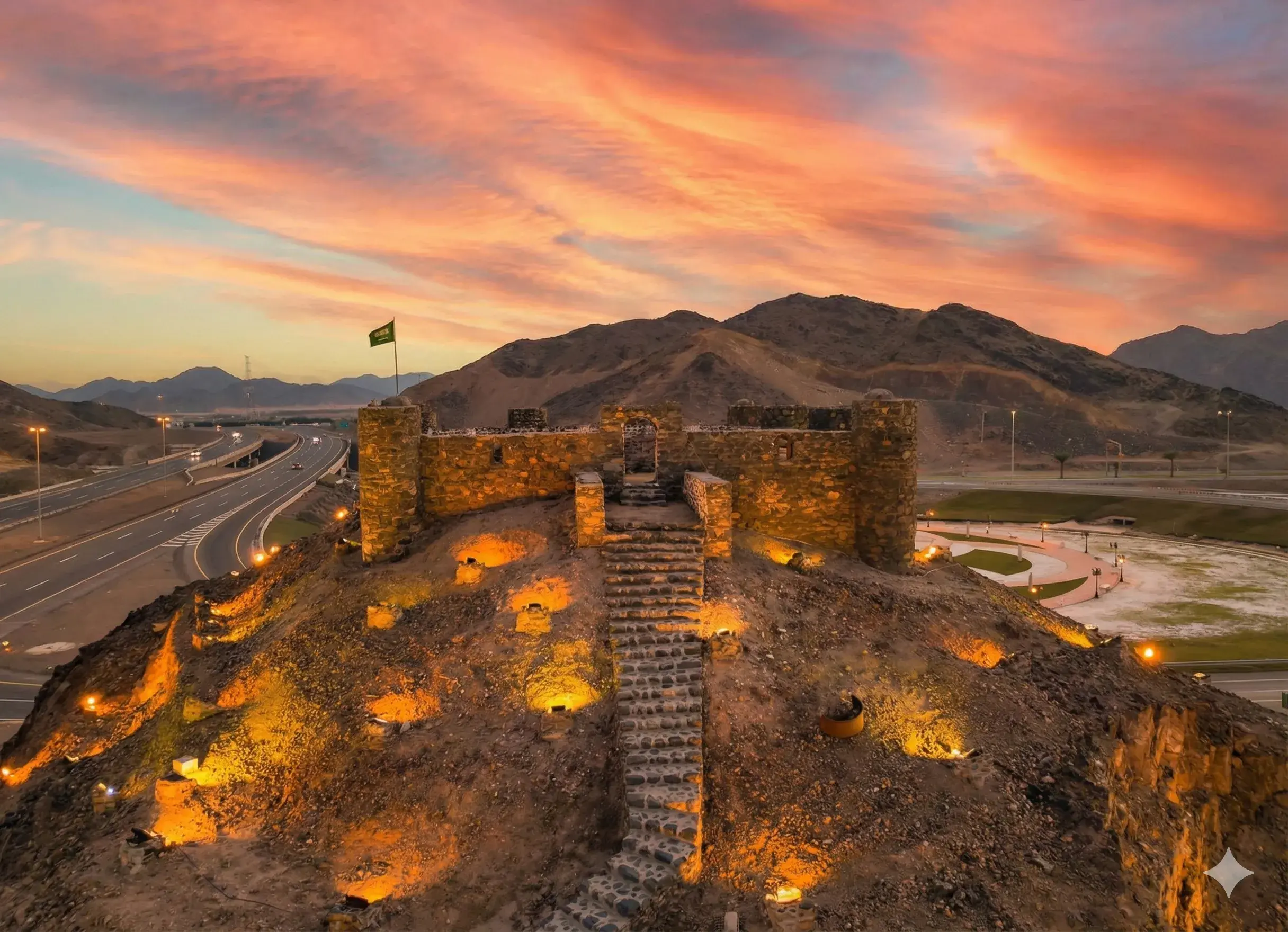
The site contains significant archaeological remains, most notably the Al-Uyun settlement, which includes stone and mud-brick structures. Among these is a large building, likely a governor's residence or a small fort, alongside ordinary, contiguous dwellings. Various burial grounds were also discovered; some are cairn burials above ground, while others are carefully divided chambers excavated in the rock underground.
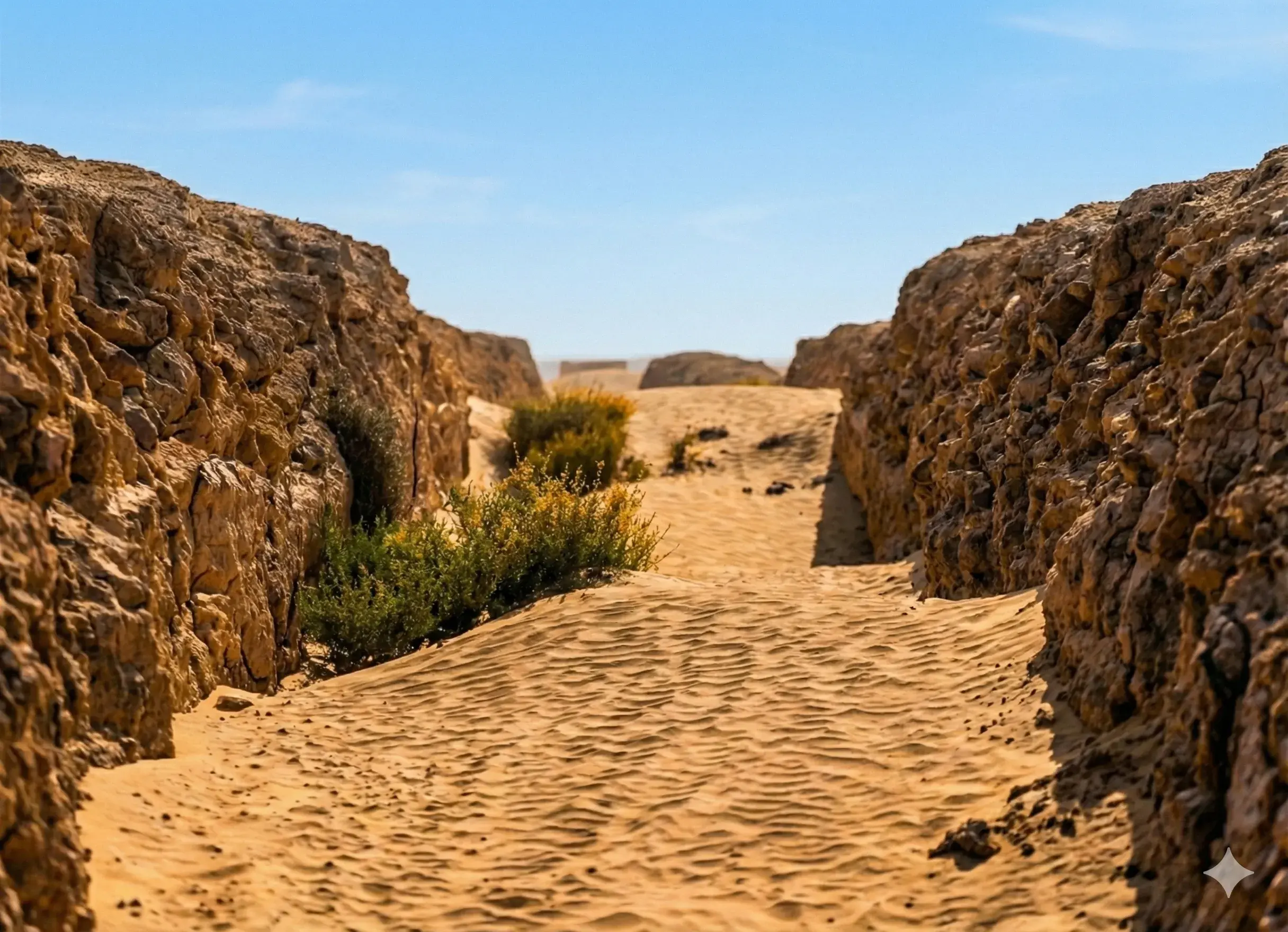
The most significant feature of the aqueducts is an integrated irrigation system, built entirely of limestone and mortar, which carried water from the pools to the main channels. Then, the water was distributed via branch channels with advanced engineering precision. Studies suggest the settlement dates back to the fourth century BCE, while some burial sites date back to the Bronze Age and may have been reused in subsequent eras.
Al-Aflaj Aqueducts are linked to Kindah Kingdom, as the antiquities reveal their role within a wider civilizational and commercial network. This civilizational extension is evident in Al-Faw Archaeological Village (Kindah’s first capital), located approximately 700 km southwest of Riyadh, and connected with the aqueducts through features of stability, agriculture, worship, and trade.