24.8°
Salwa Palace
Riyadh
The Largest Archaeological Landmark in Diriyah
Riyadh
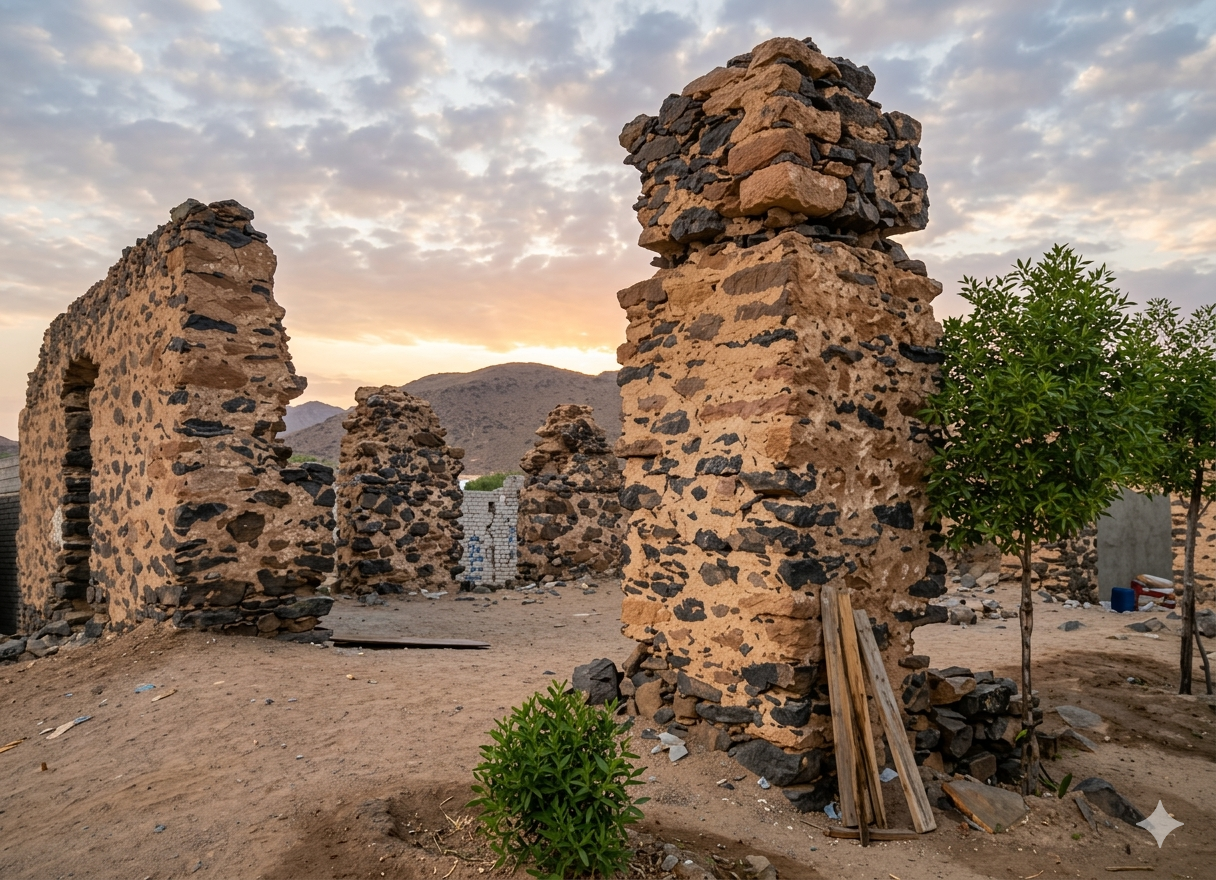
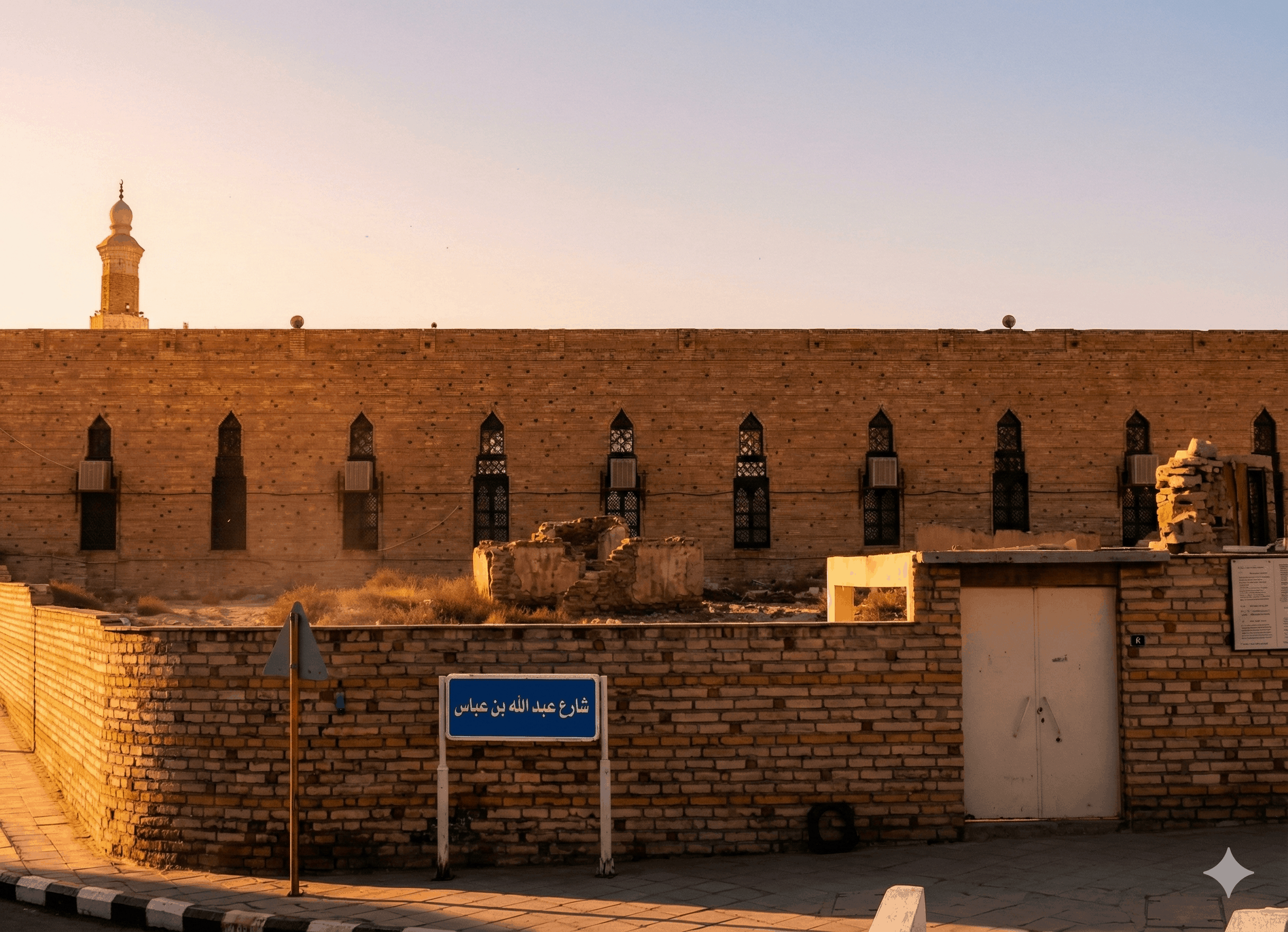
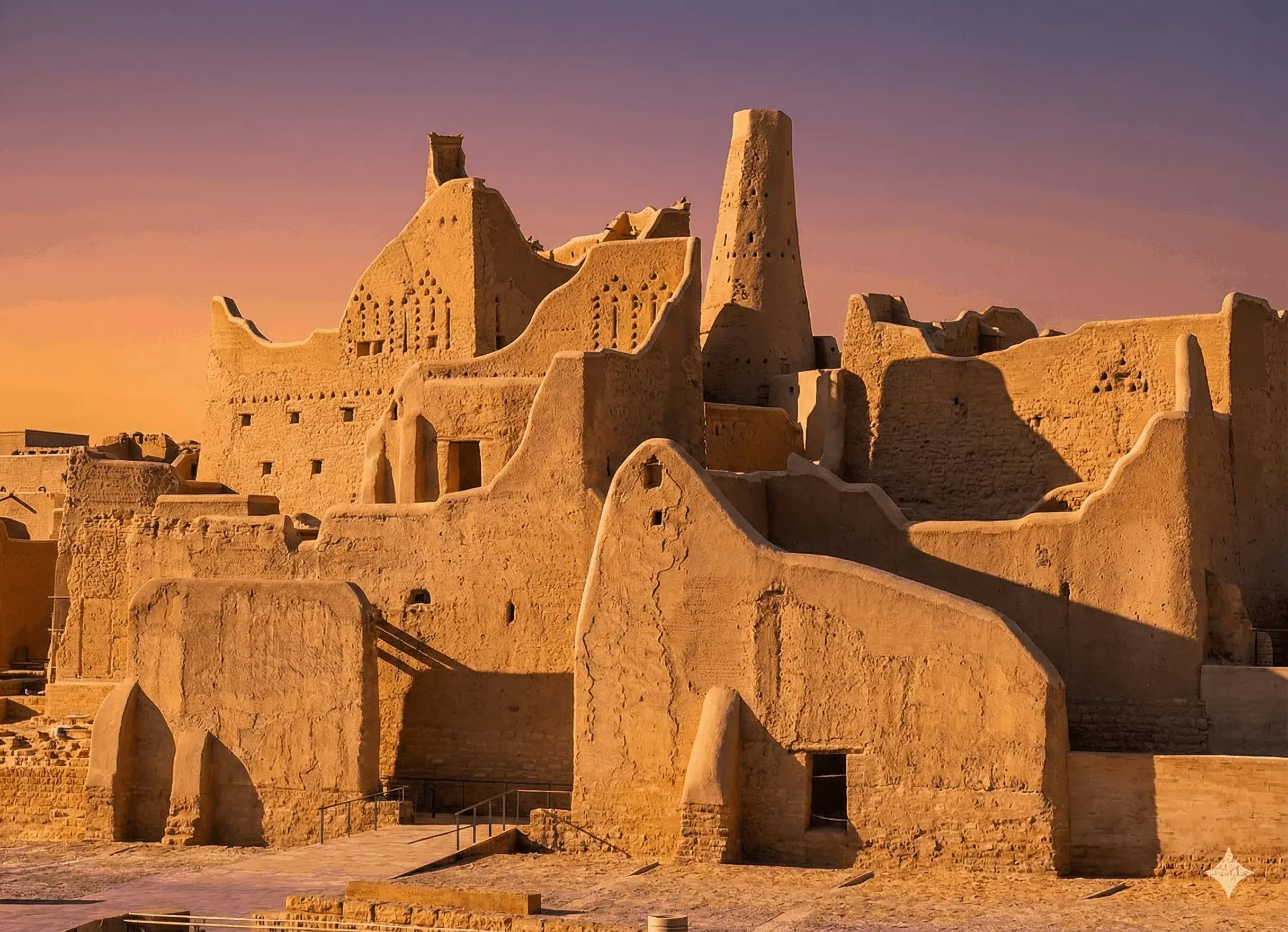
Salwa Palace, or the Palace of Abdullah bin Saud, was the headquarters of the princes and imams of the House of Saud throughout the ruling period of the First Saudi State, and it is located at the front of the Salwa district in Diriyah.
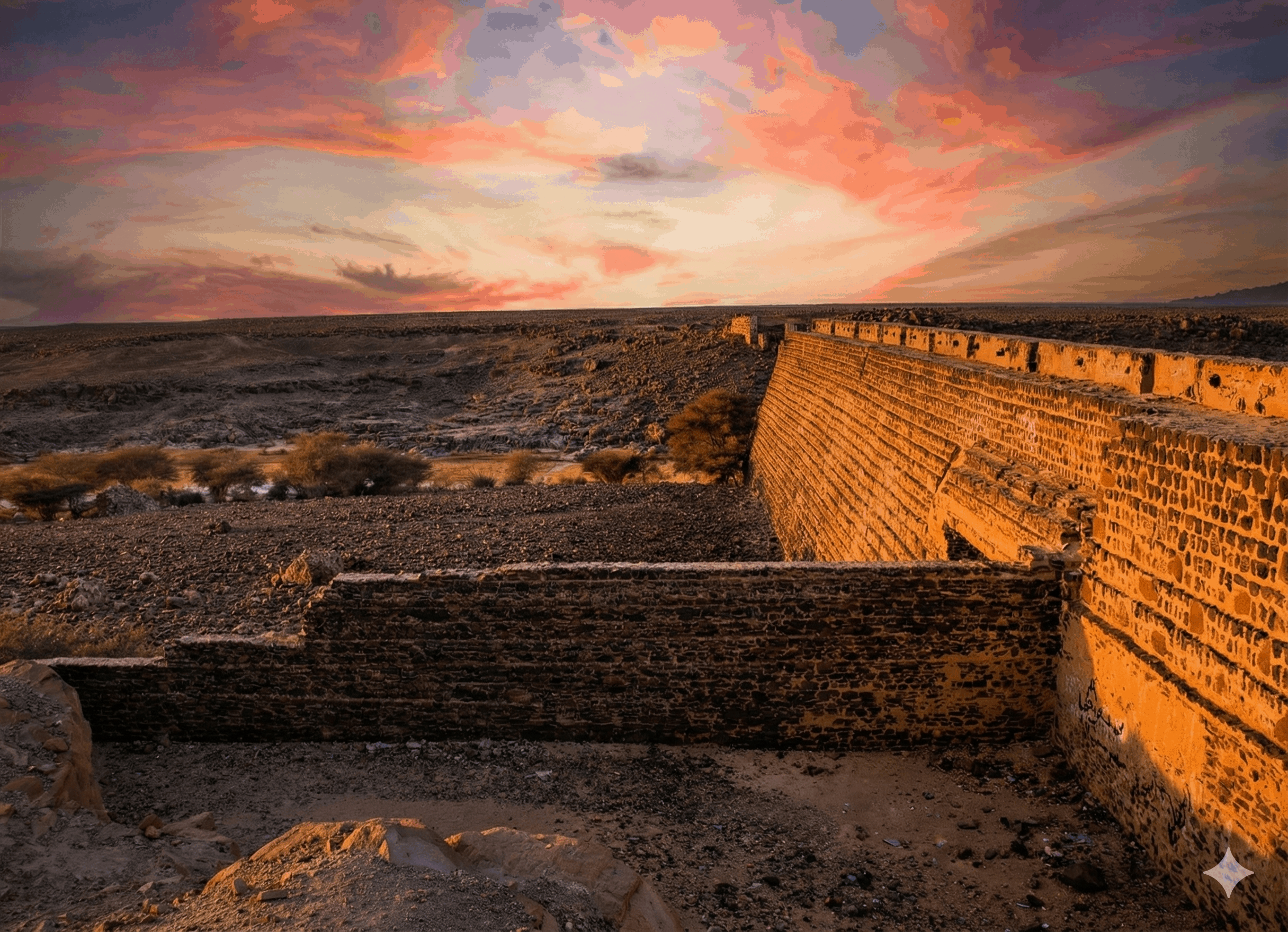
It is the largest of Diriyah's palaces, with an area exceeding 10,000 square meters. It consists of seven architectural units built in successive stages since the reign of Prince Muhammad bin Saud bin Muqrin, the founder of the First Saudi State. Although most of its parts have been demolished, the surviving remains continue to reveal its original, distinctive architectural character.
Facing the valley, the first units of the palace are manifested, consisting of two identical buildings, each centred by a large hall surrounded by three rooms, in addition to a staircase leading to the second floor and the tower.
As for the second unit, it consists of two floors and was established during the reign of Imam Abdulaziz bin Muhammad bin Saud.
The third unit is the largest section of the palace, rising to three floors with an area estimated at approximately 245 square meters. The ground floor consists of three rooms, the largest of which is the reception hall (Majlis), while the remains of the staircase leading to the upper floors appear on the southern side.
The fourth unit rises to three floors, and its ground floor includes three rooms and an entrance, with a staircase on the western side leading to the upper floors.
On the western side, the fifth unit appears with a large entrance and a Majlis room that includes a traditional hearth, in addition to a banquet hall and an open courtyard onto which the doors of the seven rooms surrounding the courtyard open.
As for the sixth unit, it was designated to include three residences divided over an area of 720 square meters, with each residence having its own entrance.
Finally, the seventh unit comprises two main parts. The first contains small rooms designated for the residence of Imam Saud bin Abdulaziz (Saud the Elder) and his family, along with a mosque within the palace area. The second part included the roof and the bridge connecting the unit to adjacent buildings, with an open courtyard in the middle of its shaded area where meetings were held, and religious lessons were given.
Thus, Salwa Palace remains a living witness to authentic Najdi architecture, carrying unique architectural and heritage value.